





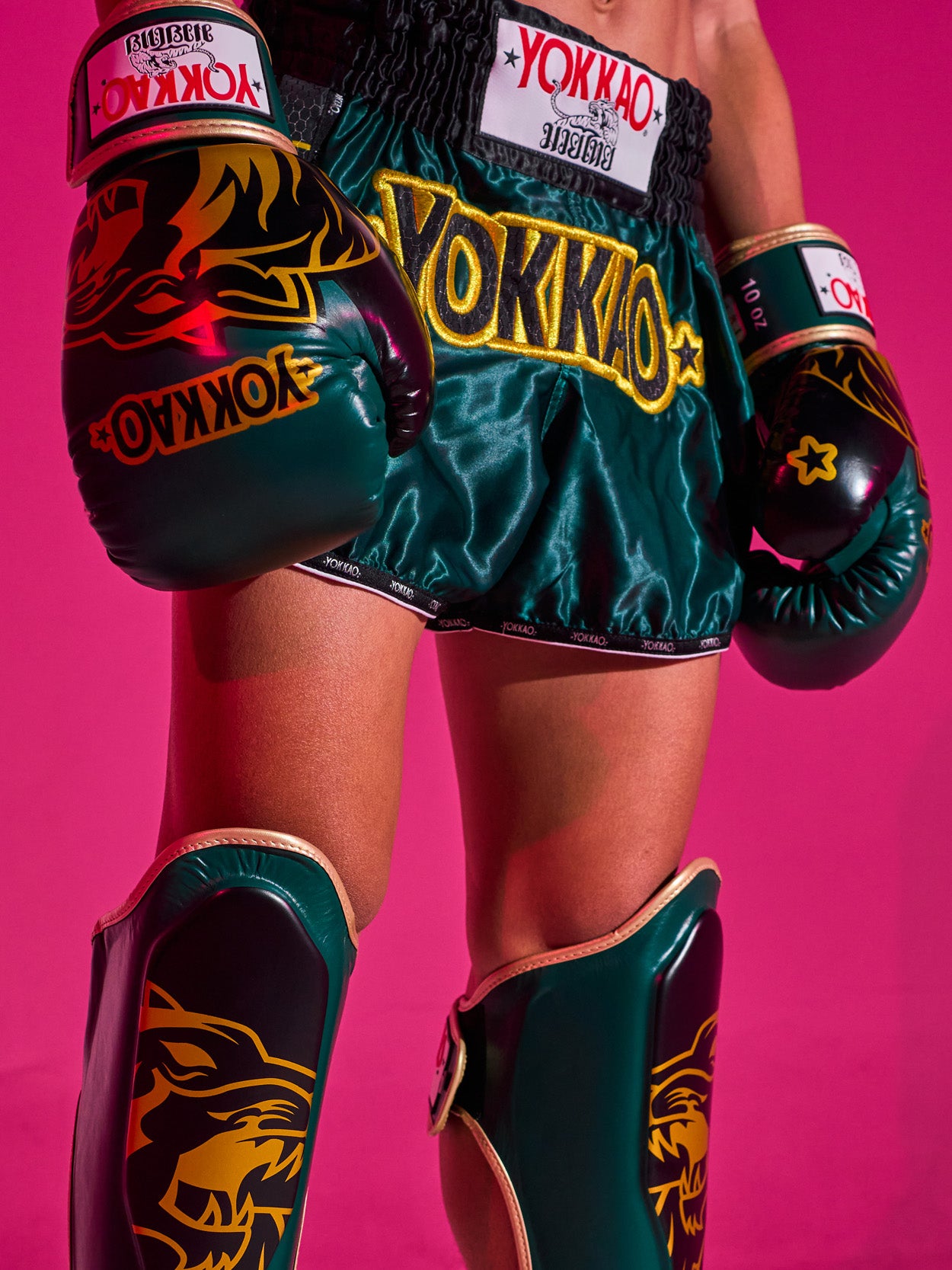



Types of Boxing Gloves: A Complete Buying Guide
Picking the wrong glove is one of the most common mistakes new boxers make, and it's an easy one to fix once you understand the different types of boxing gloves and what each one is actually built for. Boxing gloves aren't one size fits all purposes. A glove that's perfect for hitting the heavy bag can hurt your sparring partner, and a glove built for competition won't hold up to daily pad work. This guide breaks down the main types of boxing gloves, when to use each one, and how to choose the right pair for how you actually train. Once you know which type fits your training, you can browse the full range in our boxing gloves collection.
If you're also trying to figure out what size or weight to buy, we've got a full breakdown of that in our boxing glove sizing guide, so we won't repeat it here. This page is about matching the glove to the job.

The 4 Main Types of Boxing Gloves
Almost every boxing glove on the market falls into one of four categories. Some boxers only ever need one pair. Others end up with two or three, each doing a different job in their training rotation.
Training Gloves
Training gloves are the all-rounder. They're built to handle pad work, bag rounds, and general technique drills without falling apart after a few sessions. Because they're used so often, durability matters more here than in any other category.
This is exactly where construction quality shows up first. YOKKAO's training gloves use multi-layer foam padding and are handmade in Thailand, so they're built to take repeated impact rather than compress and go flat after a month of daily use.
If you're just starting out and only want one pair of gloves, training gloves are usually the right call. They won't be perfect for hard sparring, but they'll cover most of what a beginner actually does in the gym.
Bag Gloves
Bag gloves are built specifically for hitting the heavy bag, and they're often slimmer and less padded around the knuckle than training gloves. Some fighters prefer a firmer bag glove because it lets them feel the impact and adjust their punching technique.
The tradeoff is that bag gloves usually aren't safe for sparring. The padding profile that makes them good for bag work doesn't protect a partner's face the same way a sparring glove does. Keep that pair for the bag and nothing else.
Sparring Gloves
Sparring gloves exist for one reason: protecting the person across from you. They're heavier, usually 14 to 18 ounces depending on your weight class and gym rules, and the extra padding is there to soften impact on both ends of the exchange.
This is the category where trust in the equipment matters most, and it's also where YOKKAO's testing process is worth mentioning. Our gloves are fighter tested, not just fighter sponsored. Rodtang, Superlek, and Saenchai train in them daily at our Bangkok Training Center, under the same conditions your gym uses them in. That's a different kind of validation than a logo on a glove.
If your gym requires a specific minimum weight for sparring, always check with your coach before buying. Rules vary, and using an underweight glove for sparring is one of the most common mistakes below.
Competition Gloves
Competition gloves are built to meet the weight and construction rules set by whatever sanctioning body governs your bout, whether that's amateur boxing, a Muay Thai promotion, or a professional commission. They're typically lighter than sparring gloves, usually 8 to 10 ounces, and almost always lace-up rather than hook and loop.
Because these gloves are only worn on fight night, most boxers don't need to think about durability the way they would with training gloves. Fit and regulation compliance matter far more here than longevity.
Closure Systems: Hook-and-Loop vs. Lace-Up
Beyond glove type, you'll also choose between two closure styles.
Hook-and-loop (velcro) gloves are faster to put on and take off, which matters when you're switching partners or rotating through pad rounds without help. Most training, bag, and sparring gloves use this closure.
Lace-up gloves give a tighter, more locked-in wrist fit, which is why they're the standard for competition. The tradeoff is that you need someone else to tie them, so they're less practical for solo training sessions.
Neither closure is objectively better. It comes down to what you're using the glove for and whether you've got a partner or corner person available to help you glove up.
Which Type Do You Actually Need?

Most boxers don't need all four types at once. A common and sensible starting point is one pair of training gloves that can handle pads and light bag work, then adding a dedicated sparring glove once you start doing partner work regularly. Bag-specific and competition gloves tend to come later, once your training gets more specialized.
If you train frequently and want a single pair built around exactly how you use it, that's worth thinking through carefully rather than settling for whatever's off the shelf. Custom Lab lets you configure padding, material, and closure from scratch, with over 1,000 possible combinations, so your gloves match your training instead of the other way around.
Common Mistakes to Avoid
A few mistakes come up again and again, and most of them are easy to avoid once you know what to look for.
- Using one glove for everything. A single all-purpose glove might survive the gym, but it won't be ideal for sparring or safe for a partner if it's really a bag glove in disguise.
- Sparring in bag-worn gloves. Once padding starts compressing from bag work, that glove is no longer offering the protection a sparring partner needs. Retire it from sparring duty even if it still looks fine.
- Ignoring wrist support. A glove with weak wrist support can lead to strain over time, especially during heavy bag sessions or hard sparring. This matters more than most beginners expect.
- Buying based on weight alone. Two 16oz gloves from different brands can feel completely different depending on padding density and construction. Weight is a starting point, not the whole picture.
Best Boxing Gloves by Use Case
- Beginners: Start with a training glove that can flex between pads and light bag work. Look for real cowhide leather or A-grade microfiber rather than the synthetic leather most brands use at this price point. It holds up better and breaks in more naturally.
- Serious training: If you're in the gym multiple times a week, a dedicated sparring glove alongside your training pair is worth the investment, especially once partner work becomes a regular part of your routine.
- Kids: Lighter weights and smaller hand compartments matter more than closure style at this stage. Fit should always come before anything else when gloving up a younger boxer. Start with a training glove that can flex between pads and light bag work. Look for real cowhide leather or A-grade microfiber rather than the synthetic leather most brands use at this price point. It holds up better and breaks in more naturally.
Why YOKKAO Boxing Gloves

- Handmade in Thailand, fighter tested daily, not just fighter sponsored. Our Fight Team trains in the same gloves you can buy, at our own training center in Bangkok.
- Real cowhide leather or A-grade microfiber, never the synthetic leather common at this price point, so the gloves last longer and perform better over time.
- US warehouse with duties included. What you see at checkout is what you pay, with no import surprises on delivery.
- Custom Lab, with over 1,000 configuration combinations. No other brand in this category offers the same level of personalization.
- One range, two disciplines. Whether you box or train Muay Thai, YOKKAO gloves are built to perform in both without compromise.
FAQ
What's the difference between training and sparring gloves?
Training gloves are built for pad work and general gym use, while sparring gloves carry extra padding specifically to protect your partner during contact drills. They're not interchangeable once padding starts to compress.
Can I use one pair of gloves for everything?
You can, but it's not ideal. A single glove will always be a compromise between durability, protection, and fit for a specific purpose. If budget allows, a training pair plus a sparring pair covers most needs.
Do I need lace-up or hook-and-loop gloves?
Hook-and-loop is more practical for solo training since you can put them on yourself. Lace-up gives a tighter fit and is the standard for competition, but you'll need someone to help tie them.
How heavy should my sparring gloves be?
Most gyms require 14 to 18 ounces for sparring, depending on your weight class. Always confirm with your coach, since rules vary by gym and by sanctioning body.